People often talk about Gladstone as a “steady” market, but anyone who has spent time in the region knows it’s a bit more layered than that. Gladstone has moved past the boom-and-bust days. People are here for work and a calmer coastal way of living, and most find they’ve got what they need close by. This sense of stability is what tends to draw buyers who think about the long run.
When people start browsing houses for sale in Gladstone, the first thing that usually stands out is the price difference compared with the major centres. Furthermore, Gladstone has a stable workforce, suburbs with their own personalities, and a lifestyle that suits people who want space without being too far from industry or community facilities. Read on to find out more about the contributing factors to Gladstone’s popularity.
A Market That Moves at Its Own Pace
Gladstone isn’t racing up and down like the major coastal markets. It shifts at a slower, more predictable pace, mostly driven by the needs of the local workforce and families.
Buyer Demand That Stays Consistent
There’s usually a familiar mix of buyers in Gladstone, including locals shifting to a different-sized home, workers arriving for long-term roles, and families wanting a quieter lifestyle than they’d get in metropolitan Queensland. As these groups remain consistent from year to year, the market avoids the sharp rises and drops seen elsewhere. This consistency makes it easier for buyers to plan their purchases without the pressure of rapidly changing conditions.
More Space for the Money
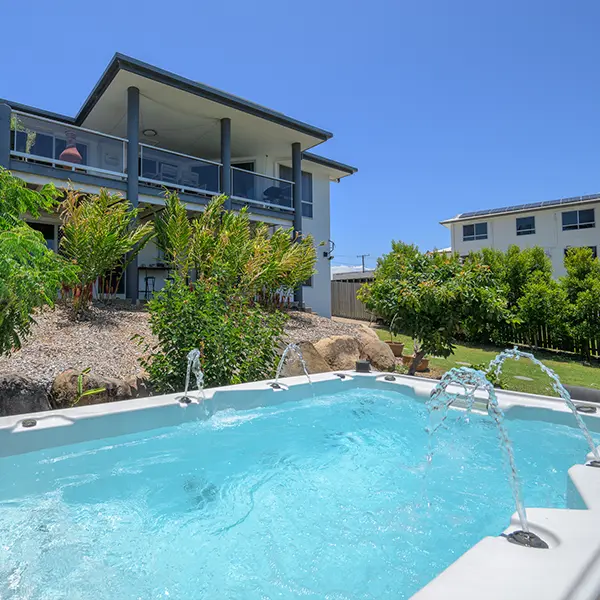
Gladstone offers bigger blocks, established homes with character, and modern layouts in newer estates, which are harder to find in many regional areas now. For many families, this added room is what makes the decision easy. The value proposition becomes even clearer when comparing what the same budget would buy in Brisbane or the Sunshine Coast.
The Role of Work and Stability in Gladstone’s Market
Gladstone’s industrial base plays a major part in how the property market behaves. Even as industries shift, the town’s workforce remains a key driver of steady demand.
Employment Anchors the Area
Industries like LNG, alumina, and port operations provide ongoing work. These aren’t short contracts; they bring people into the region and keep them here for long stretches. This kind of reliability naturally supports a stable housing environment. The presence of major employers creates confidence among buyers who know their employment prospects remain strong.
Flow-On Effects in Local Suburbs
Suburbs close to major workplaces or main transport routes tend to have a regular turnover of homes because people value the convenience. This quiet but consistent demand has helped keep the broader market on an even track for years. Understanding these patterns can help buyers identify suburbs with strong rental potential or resale value.
Lifestyle Without the Rush
Many people who move to Gladstone say they want a slower pace without giving up day-to-day convenience. The region offers a mix of space, access to the outdoors, and a community feel that suits a lot of buyers.
Space That Fits Everyday Life
Life here is straightforward. Yards are manageable, parking is easier, and shops and schools are usually close by. Weekends don’t need elaborate planning because everything is within a reasonable distance, which makes the lifestyle appealing to busy families. According to the Queensland Government, the coastal access and recreational opportunities add another dimension to the lifestyle here.
Community Amenities Close to Home
Most suburbs offer what residents need, including parks, schools, local shops, sports clubs, and essential services. Parents especially value having these things nearby, and it plays a big part in why families settle in the area. Medical facilities, libraries, and community centres are also well distributed across the region.
Suburbs with Their Own Character
Gladstone isn’t a single, uniform market. Each suburb has traits that appeal to different kinds of buyers, and understanding these differences helps match properties to the right people.
Older Areas Near Town
These pockets suit people who want shorter drives to work, school, or the shops. Convenience is usually the main drawing factor. Established trees, mature gardens, and proximity to the CBD make these areas particularly attractive to professionals and downsizers.
Newer Developments
Newer estates attract first-home buyers and families who prefer modern builds, quieter streets, and more up-to-date infrastructure. These areas often feature contemporary designs, energy-efficient homes, and planned community spaces that appeal to young families starting out.
Conclusion
Gladstone brings together many of the things buyers look for: affordability, stability, lifestyle, and space to grow. For buyers comparing suburbs or wanting a clearer picture of local trends, One Percent Property Sales can offer grounded insight into how the Gladstone market works today.